

Education on Health, Resiliency, and Wellness
Small, steady choices make a real difference. Here is how we think about wellness, resiliency, and recovery at ARCC, plus practical ways to care for yourself between sessions.

What is Wellness?
Wellness is more than the absence of illness. Wellness is an active process of making choices that support a healthy, balanced, and meaningful life. Wellness includes taking care of your emotional, mental, physical, social, and spiritual well-being.
Wellness looks different for each person. For some, wellness may mean managing stress more effectively. For others, it may mean improving relationships, maintaining sobriety, developing healthy coping skills, or increasing participation in meaningful activities.
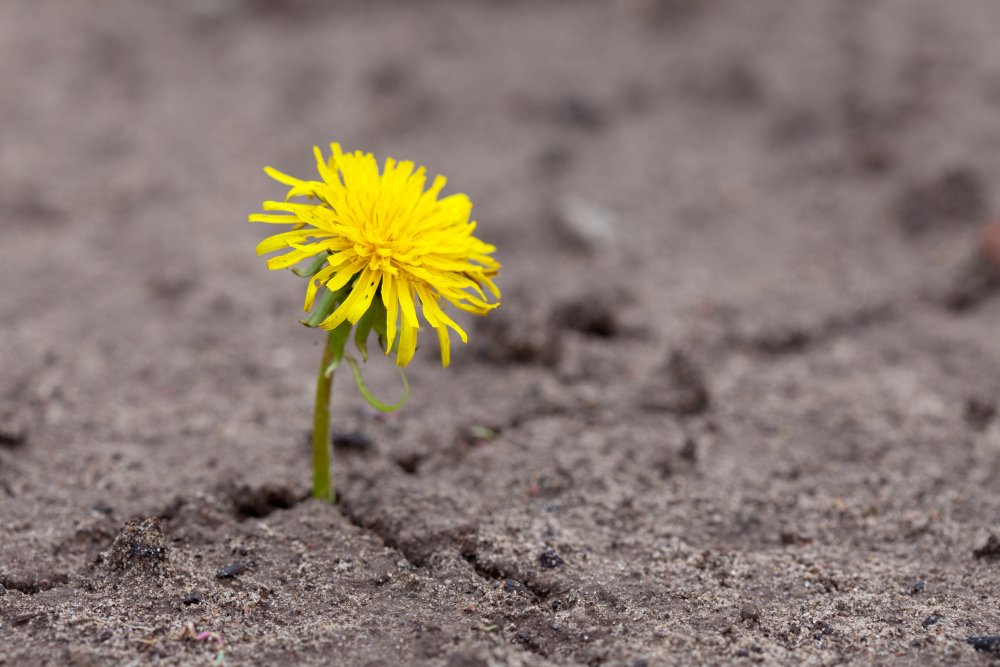
What is Resiliency?
Resiliency is the ability to adapt, recover, and grow through life's challenges, setbacks, and stressful situations. Being resilient does not mean that a person never experiences difficulties. Instead, it means learning healthy ways to cope, solve problems, and continue moving forward despite challenges.
Resilience can be strengthened through:
- Developing healthy coping skills
- Building supportive relationships
- Learning problem-solving skills
- Practicing positive thinking
- Seeking help when needed
- Taking care of physical health
- Setting realistic goals
Everyone has the ability to build resilience regardless of age, background, or life circumstances.
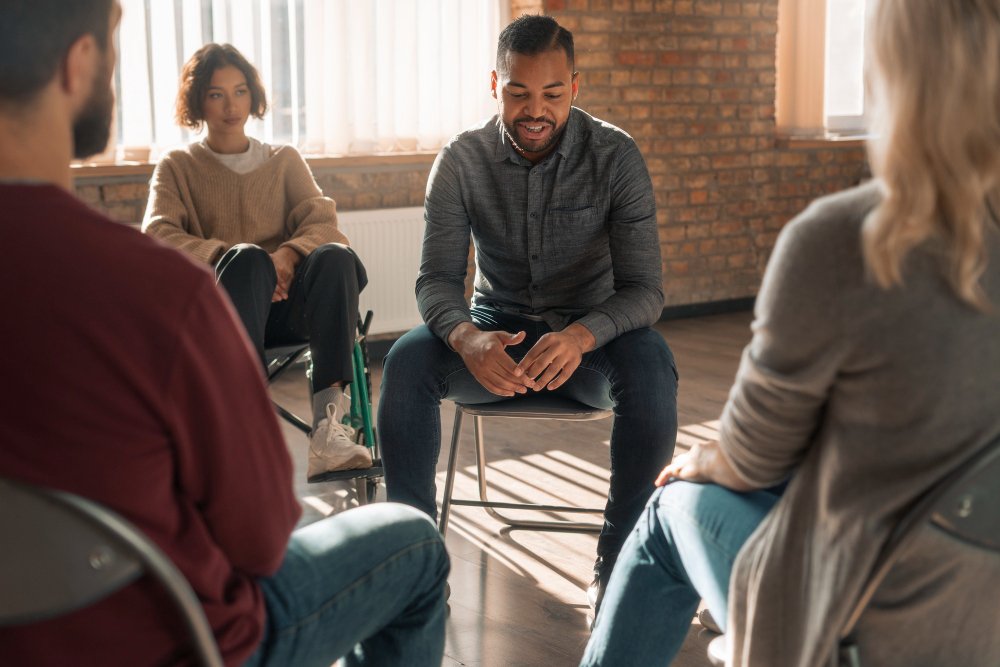
What is Recovery?
Recovery is a personal journey of growth, healing, and improved functioning. Recovery does not always mean symptoms completely disappear. Recovery means learning to manage symptoms, improve quality of life, and achieve personal goals while living a meaningful and productive life.
Recovery is based on hope, empowerment, personal responsibility, and support from others. Key principles of recovery include:
- Hope
- Self-direction
- Respect
- Responsibility
- Peer and family support
- Community involvement
- Personal growth
Tips for Maintaining Emotional Wellness
Practice Healthy Coping Skills
Examples include:
- Deep breathing
- Mindfulness
- Exercise
- Journaling
- Talking with supportive people
- Prayer or meditation
- Listening to music
- Creative activities
Build Healthy Relationships
Healthy relationships provide support during difficult times. Spend time with people who encourage, respect, and support you.

Take Care of Your Physical Health
Physical health impacts mental health. Try to:
- Get adequate sleep
- Eat nutritious meals
- Stay hydrated
- Exercise regularly
- Attend medical appointments
Manage Stress
Stress is a normal part of life. Healthy stress management may include:
- Time management
- Relaxation exercises
- Setting boundaries
- Taking breaks
- Practicing self-care
When to Seek Help
It is important to seek professional support if emotional or behavioral symptoms begin to interfere with:
- School performance
- Work performance
- Relationships
- Daily activities
- Physical health
- Safety
Seeking help is a sign of strength, not weakness.
Your Role in Treatment
You can improve your success in treatment by:
- Attending appointments regularly
- Practicing skills discussed in sessions
- Being honest with your treatment team
- Asking questions
- Participating in treatment planning
- Communicating concerns or barriers
Recovery and wellness are ongoing processes. Small positive steps can lead to meaningful change over time.
If You Are in Crisis
We do have emergency services via telehealth or phone. All crises need to be handled within 2 hours, and it is better to be seen immediately if you are in crisis. If you are in crisis, call 911 or go to your nearest hospital. If you are seeing another therapist, please call them to be seen right away.
988 Suicide and Crisis Lifeline: call or text 988. Available 24 hours, in English and Spanish.
Please do not email about suicidal or homicidal thoughts. Email is not checked in real time. Call us at 501-313-1185 so we can respond to your crisis immediately.
Our Wellness Message
At Arkansas Relationship Counseling Center, we believe every individual has strengths, value, and the capacity for growth. Through education, support, evidence-based treatment, and partnership, we strive to help individuals and families build wellness, strengthen resilience, and achieve recovery.
Our Mission
At Arkansas Relationship Counseling Center, our mission is to strengthen relationships for those who choose to be entrusted to our care, regardless of cultural diversity, client obstacles, and client financial status, by empowering couples, families, and individuals through quality, professional, specialized, and accessible services.